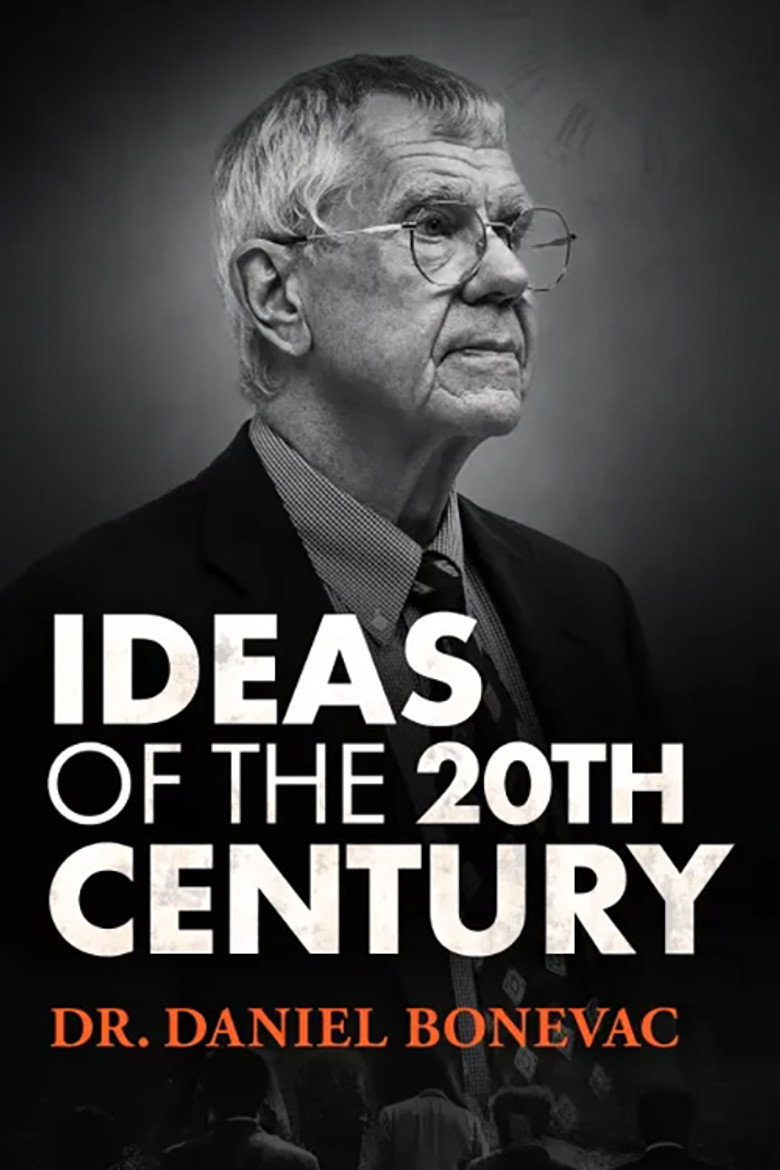
Ideas of the 20th Century
In Ideas of the 20th Century, Dr. Daniel Bonevac examines the major intellectual movements that shaped modern Western thought. Beginning with the Scientific, Agricultural, and Industrial Revolutions, the course explores how traditional beliefs came under pressure, creating tensions between human freedom and scientific determinism and contributing to cultural and political upheavals. Through the ideas of thinkers such as Nietzsche, Marx, Freud, and the existentialists, as well as debates over totalitarianism, liberty, language, truth, and justice, the course traces the search for meaning in the modern world. By connecting philosophy, politics, and culture, it reveals how the central ideas of the 20th century continue to shape contemporary society and the challenges facing Western civilization today.
Details
First Aired: 3/19/2026
Languages: English
Created by: Dr. Daniel Bonevac
Type: Scripted
Production
Companies: Peterson Academy
Videos
Seasons
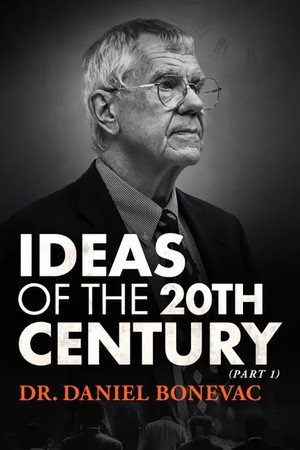
Part 1
In Ideas of the 20th Century Part 1, an eight-hour course, Dr. Daniel Bonevac explores how the Scientific, Agricultural, and Industrial Revolutions created a lasting tension between human agency and scientific determinism. We examine how this crisis of belief contributed to the erosion of traditional values and upheavals like World War I and the Russian Revolution. By examining key thinkers including Nietzsche, Marx, Freud, and modernist writers like Eliot and Fitzgerald, the course traces the search for meaning in a fractured world and shows how this struggle still shapes modern culture and politics.
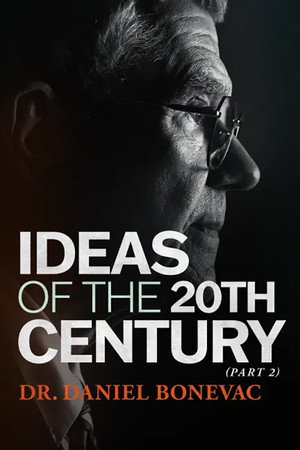
Part 2
In Ideas of the 20th Century: Part 2, Dr. Bonevac continues our analysis of the intellectual currents shaping 20th-century Western thought. Beginning with thinkers who warned about threats to civilization, we examine the rise of totalitarianism in Europe. We then turn to existentialism and its response to meaning and absurdity, critiques grounded in universal moral truth, and accounts of how language connects mind to reality. We consider defenses of freedom, warnings about linguistic manipulation, and postmodern challenges to objective truth. Finally, we study the revival of moral normativity, theories of justice, and the intellectual movements behind the collapse of Soviet communism. Our course concludes by reflecting on the enduring challenges to Western values and the importance of moral truth in sustaining civilization.