Monty Banks
Cesena, Forlì-Cesena, Emilia-Romagna, Italy
Biography
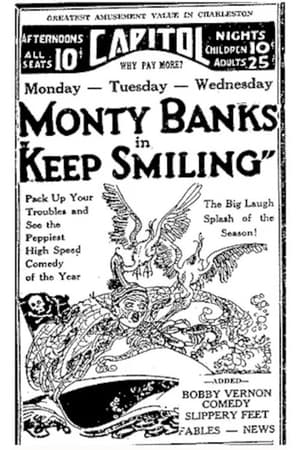
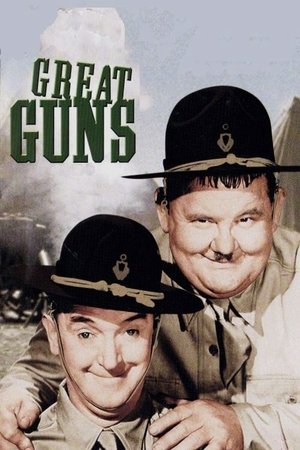
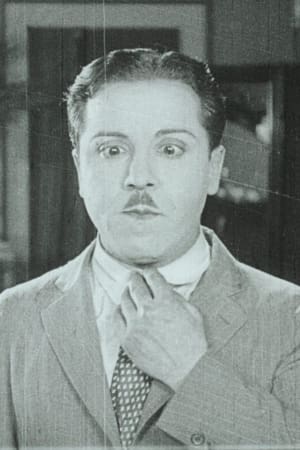
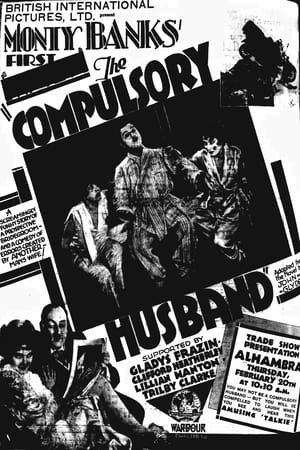
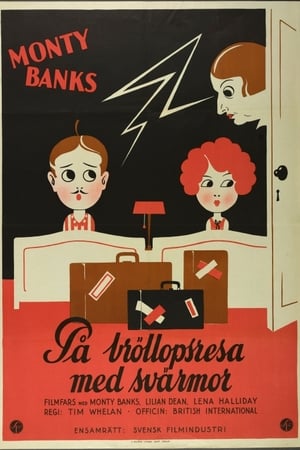
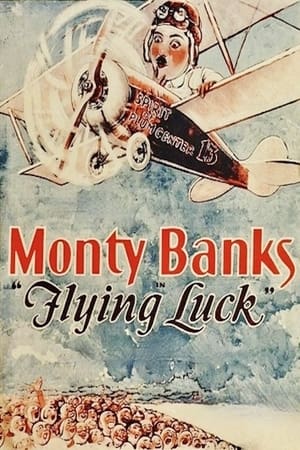
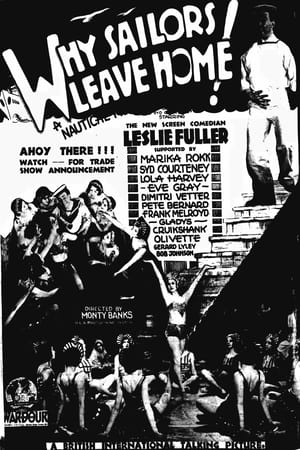
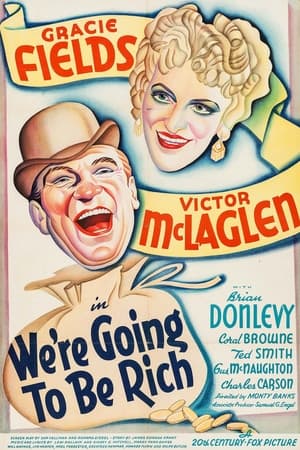
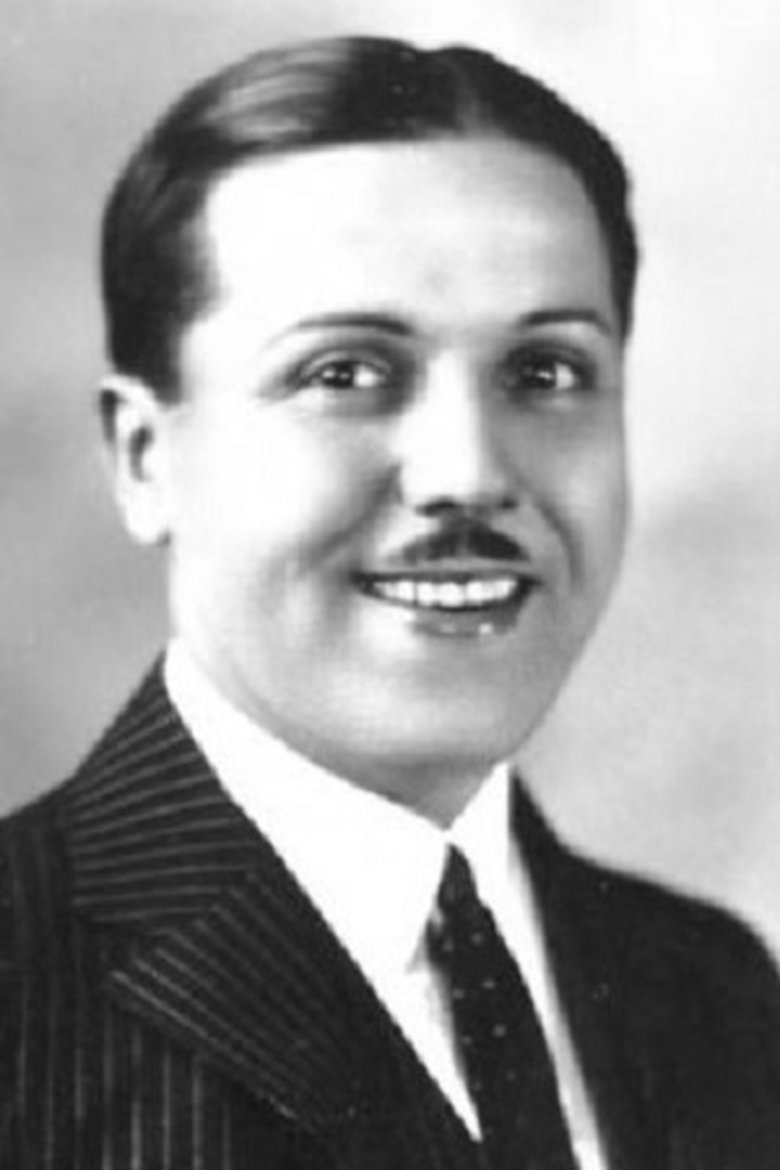
Monty Banks was a short, stocky but somehow debonair Italian-born comic actor, later also writer and director. In the US from 1914, he first appeared on stage in musical comedy and cabaret. By 1917 he was working as a dancer in New York's Dominguez Cafe. After this he turned to films, acting and doing stunt work at Keystone, Universal and for Al Christie. Changing his name from Mario Bianchi to Monty Banks may have been prompted by Roscoe 'Fatty' Arbuckle as a passing reference to his playing '"montebanks". By 1919 Banks had moved to Vitagraph to play a villain in The Grocery Clerk (1919), foil to star comic Larry Semon. Banks first came to the fore in his own right as star of the "Welcome Comedies" made by Warner Brothers. He spent the early 1920s at Fox and Grand Asher, graduating to writing and directing two-reel comedies with himself as the star. Most noteworthy entries in regard to inventive sight gags and Mack Sennett--style madcap plots are Pay or Move (1924) and The Golf Bug (1924). The success of this series prompted Banks to create an independent production company, the Monty Banks Pictures Corporation, in conjunction with writer/director Howard Estabrook. He made several feature-length films for Pathe, including Play Safe (1927)) (generally considered his best work), which featured a climactic runaway train sequence. This style of fast-action slapstick made it inevitable that Banks suffered more than his fair share of injuries, especially since he continued to do many of his own stunts. From the late 1920s Banks worked in England and made several appearances in sound films. However, his accent proved to be something of an obstacle. He therefore decided, after 1930, to concentrate on directing and producing. He helmed four features starring the popular entertainer Gracie Fields, who became his second wife in 1940. In 1935 he directed a well-received George Formby comedy, No Limit (1935), about the TT motorcycle races on the Isle of Man, which were shot on location there. With the outbreak of World War II Banks--being an Italian citizen--would have faced internment in England as an enemy alien. He therefore deemed it necessary to flee to Canada, and from there to the neutral United States. He eventually obtained American citizenship, for which he had applied years earlier, but had forgotten to submit the necessary paperwork. Back in Hollywood he ended up at 20th Century-Fox, directing Stan Laurel and Oliver Hardy in Great Guns (1941), arguably one of their lesser efforts. Banks died of a heart attack during a trip through Italy in January 1950, aged just 52. Sadly, the majority of his one- and two-reelers are now considered lost films. As a result, his status as a leading comic of the silent screen may have somewhat diminished--except, perhaps, in his home town of Cesena, where a foundation was established in his honor (the "Aula Didattica Monty Banks"), offering students "practical courses on experimental aspects of video production".