John Schlesinger
London, England, UK
Biography
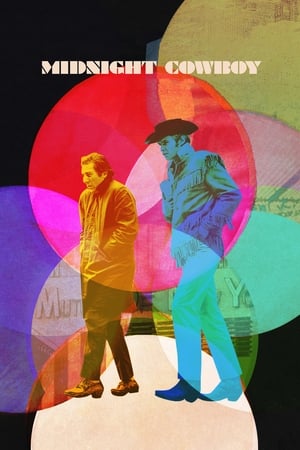
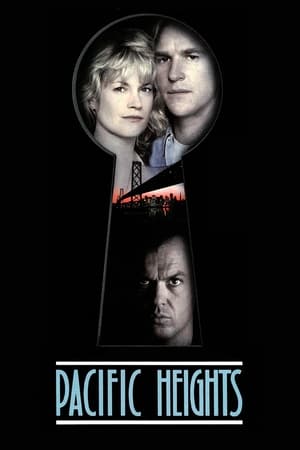
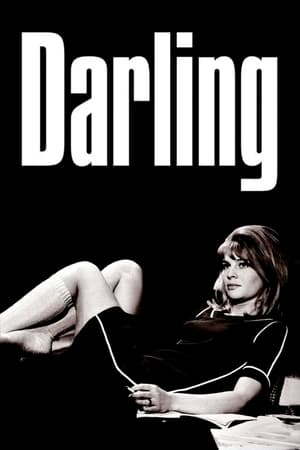
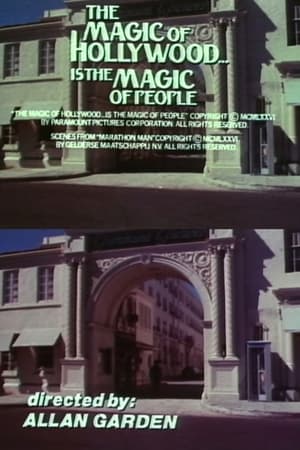
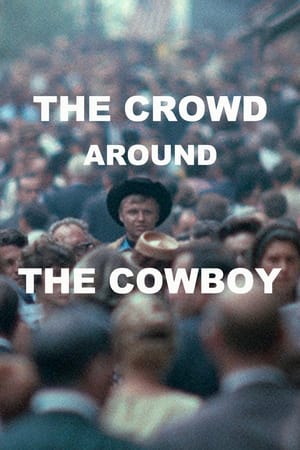
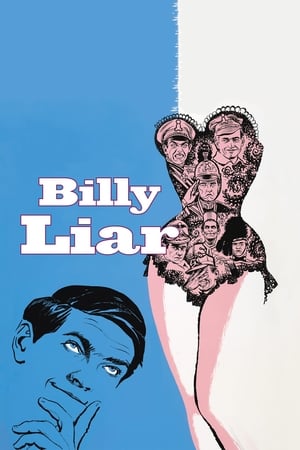
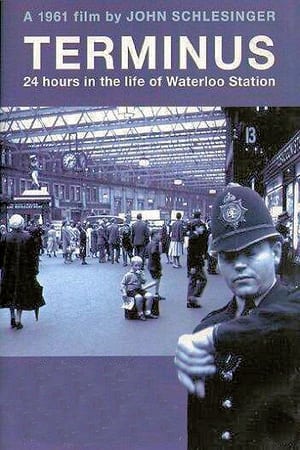
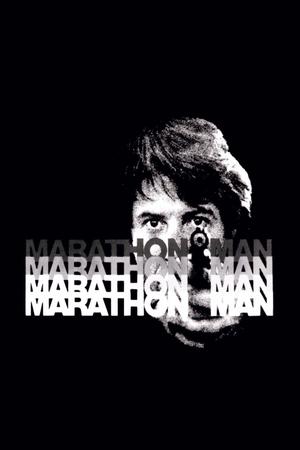
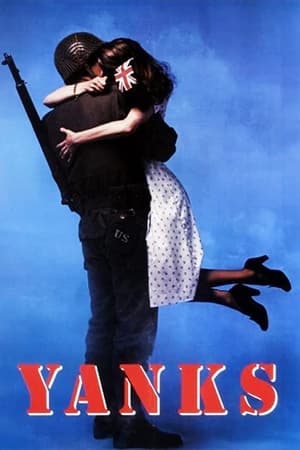
John Richard Schlesinger, CBE, was an English film and stage director, and actor. He won an Academy Award for Best Director for Midnight Cowboy, and was nominated for two other films (Darling and Sunday Bloody Sunday). Schlesinger was born in London, into a middle class Jewish family. His acting career began in the 1950s and consisted of supporting roles in British films and television productions. He began his directorial career in 1956 with the short documentary Sunday in the Park about London's Hyde Park. In 1958, Schlesinger created a documentary on Benjamin Britten and the Aldeburgh Festival for the BBC's Monitor TV programme, including rehearsals of the children's opera Noye's Fludde featuring a young Michael Crawford. By the 1960s, he had virtually given up acting to concentrate on a directing career, and another of his earlier directorial efforts, the British Transport Films' documentary Terminus (1961), gained a Venice Film Festival Gold Lion and a British Academy Award. His first two fiction films, A Kind of Loving (1962) and Billy Liar (1963) were set in the North of England. A Kind of Loving won the Golden Bear award at the 12th Berlinale in 1962. His third feature film, Darling (1965), tartly described the modern, urban way of life in London and was one of the first films about 'swinging London'. Schlesinger's next film was the period drama Far from the Madding Crowd (1967), an adaptation of Thomas Hardy's popular novel accentuated by beautiful English country locations. Both films (and Billy Liar) featured Julie Christie as the female lead. Schlesinger's next film, Midnight Cowboy (1969), was internationally acclaimed. A story of two hustlers living on the fringe in the bad side of New York City, it was Schlesinger's first film shot in the US, and it won Oscars for Best Director and Best Picture. During the 1970s, he made an array of films that were mainly about loners, losers and people outside the clean world, such as Sunday Bloody Sunday (1971), The Day of the Locust (1975), Marathon Man (1976) and Yanks (1979). Later, came the major box office and critical failure of Honky Tonk Freeway (1981), followed by films that attracted mixed responses from the public From 1973, he was an associate director of the Royal National Theatre, where he produced George Bernard Shaw's Heartbreak House (1975). He also directed several operas, beginning with Les contes d'Hoffmann (1980) and Der Rosenkavalier (1984), both at Covent Garden. Schlesinger was made a Commander of the Order of the British Empire (CBE) for his services to film in 1970. In 2003, a Golden Palm Star on the Palm Springs, California Walk of Stars was dedicated to him.