Gloria Gaynor
Newark, New York, USA
Biography
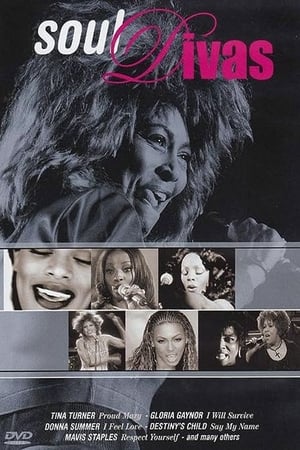
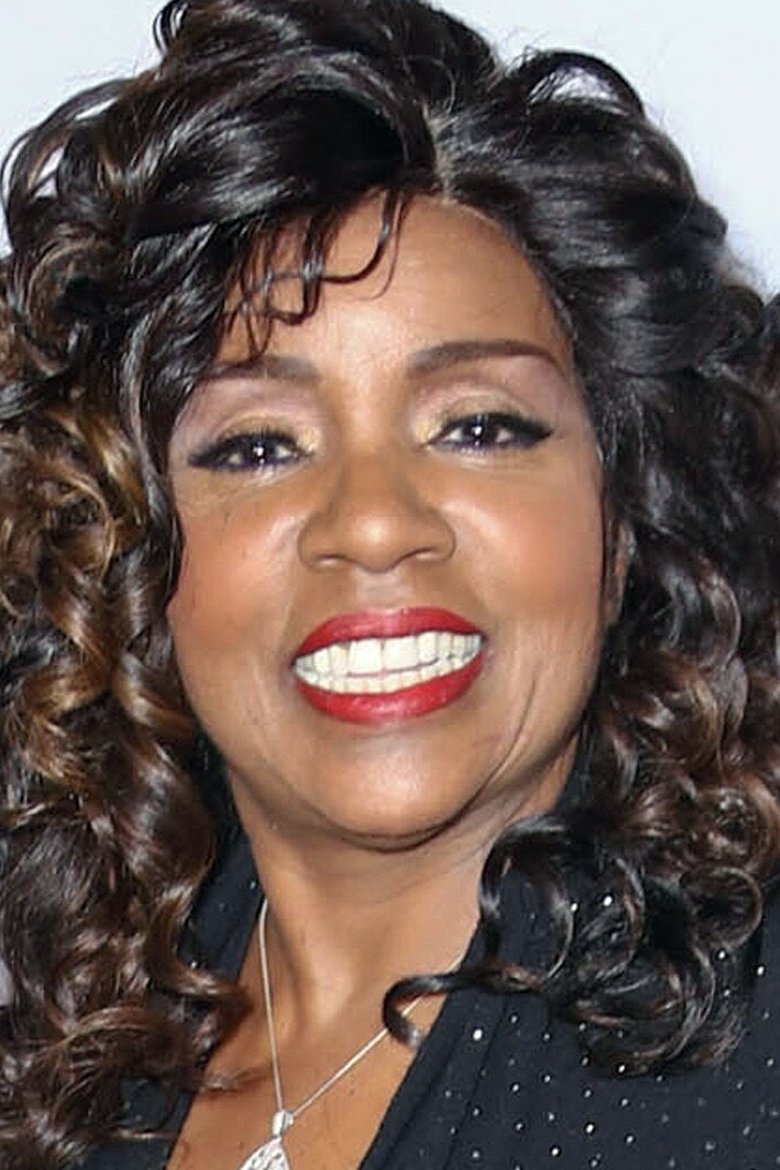
Gloria Gaynor (née Fowles; born September 7, 1943) is an American singer, best known for the disco era hits "I Will Survive" (1978), "Let Me Know (I Have a Right)" (1979), "I Am What I Am" (1983), and her version of "Never Can Say Goodbye" (1974). Gaynor was born Gloria Fowles in Newark, New Jersey, to Daniel Fowles and Queenie Mae Proctor. Her grandmother lived nearby and was involved in her upbringing. "There was always music in our house", Gaynor wrote in her autobiography I Will Survive. She enjoyed listening to the radio, and to records by Nat King Cole and Sarah Vaughan. Her father played the ukulele and guitar and sang professionally in nightclubs with a group called Step 'n' Fetchit. Gloria grew up a tomboy; she had five brothers and one sister. Her brothers sang gospel and formed a quartet with a friend. Gaynor was not allowed to sing with the all-male group, nor was her younger brother Arthur, as Gloria was a girl and he was too young. Arthur later acted as a tour manager for Gaynor. The family was relatively poor, but Gaynor recalls the house being filled with laughter and happiness, and the dinner table being open to neighborhood friends. They moved to a housing project in 1960, where Gaynor attended South Side High School; she graduated in 1961. "All through my young life I wanted to sing, although nobody in my family knew it", Gaynor wrote in her autobiography. Gaynor began singing in a night club in Newark, where she was recommended to a local band by a neighbor. After several years of performing in local clubs and along the East Coast, Gaynor began her recording career in 1971 at Columbia Records. Gaynor was a singer with the Soul Satisfiers, a jazz and R&B music band, in the 1960s. She recorded "She'll Be Sorry/Let Me Go Baby" (for the first time as Gloria Gaynor) in 1965, for Johnny Nash's "Jocida" label. Her first real success came in 1973 when she was signed to Columbia Records by Clive Davis. The fruit of that was the release of the flop single "Honey Bee". Moving on to MGM Records she finally hit with the album Never Can Say Goodbye, released in 1975. The first side of the album consisted of three songs ("Honey Bee", "Never Can Say Goodbye", and "Reach Out, I'll Be There"), with no break between the songs. This 19-minute dance marathon proved to be enormously popular, especially at dance clubs. All three songs were released as singles via radio edits and all of them became hits. The album was instrumental in introducing disco music to the public, "Never Can Say Goodbye" becoming the first song to top Billboard magazine's dance chart. It was also a hit on the mainstream Pop Charts, peaking at No. 9, and on the R&B Charts, reaching No. 34 (the original version by The Jackson 5 had been a No. 2 hit on the Hot 100 in 1971). It also marked her first significant chart success internationally, making it into the Top 5 in Australia, Canada, Germany and the UK. The song would go on to be certified silver by the British Phonographic Industry, and subsequently gold in the US. ... Source: Article "Gloria Gaynor" from Wikipedia in English, licensed under CC-BY-SA 3.0.