Movrex

Movrex

Discover your next favorite movie with our Netflix-inspired platform. Browse trending films, explore detailed information, and get personalized recommendations.

Quick Links

  • Home
  • Trending
  • Popular
  • Top Rated
  • Upcoming
  • In Theaters
  • TV Shows

Resources

  • TMDb API
  • Next.js
  • Tailwind CSS
  • Framer Motion

© 2026 Movrex. All rights reserved.

Privacy PolicyTerms of ServiceMade with by Codedits
← Back
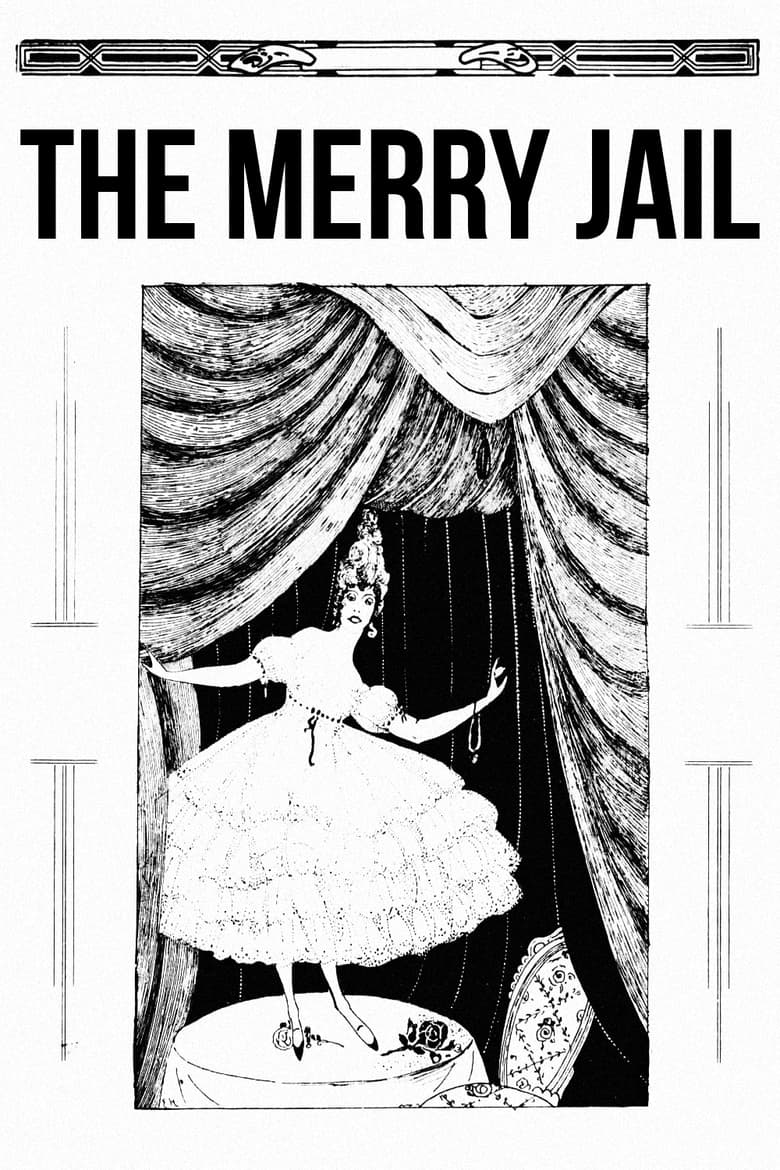
The Merry Jail

The Merry Jail

★ 6.4· 1917· 48 min· Popularity 0
Comedy

A neglected wife disguises herself in order to lure her wastrel husband into a compromising position.

Rate:
IMDb

Details

Release Date: 11/30/1917

Runtime: 48 minutes

Languages: No Language

Director: Ernst Lubitsch

00

Production

Companies: Projektions-AG Union

Countries: Germany

Where to watch · US

Stream:
FlixFlingFlixFling
Rent:
FlixFlingFlixFling
Buy:
FlixFlingFlixFling
More providers

Cast

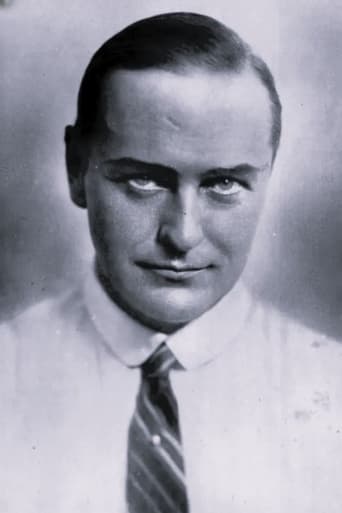
Harry Liedtke

Harry Liedtke

Alex von Reizenstein

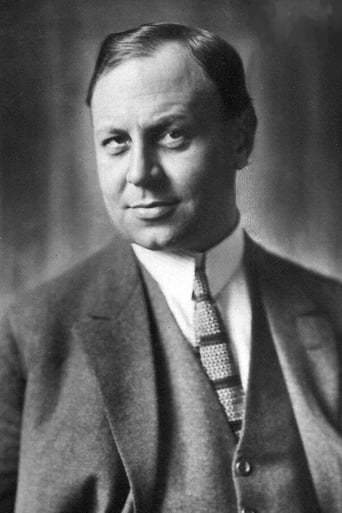
Emil Jannings

Emil Jannings

Quabbe - der Gaoler

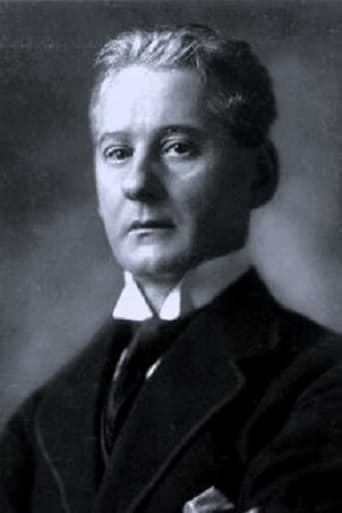
Paul Biensfeldt

Paul Biensfeldt

Gallery

Gallery

Reviews

G

germish

★ 9.5/101/29/2013

The Merry Jail or Das fidele Gefängnis (1917) is one of the early films of Ernst Lubitsch. A light comedy, based on Strauss's operetta 'Die Fledermaus', about a rich couple and their maid in a gay Berlin of endless parties and ceremonies. It is also one of early films of Emil Jannings in the role of a nutty prison guard. The 25 year old Lubitsch portrays one his first and most original conceptions of marriage and women in a manner that is certainly years ahead of its time. And that's why I get disappointed when I didn't find this film among Kristin Thompson's selected titles to examine Lubitsch's career and his influence on Hollywood in her fantastic book, "Herr Lubitsch Goes to Hollywood". There are numerous scenes with unforgettable technical creativity. For example an excellent shot from the first act (part) of the film which exhibits the thing known as "Lubitsch touch"; The wife receives a warrant from police about her husband and his scandalous behavior in a previous night party and while she is discussing the possible misunderstanding on the phone, the camera goes down and shows the drunkard husband, sleeping on the floor. Don't forget we are in 1917! Lubitsch's storytelling imply one of the most intelligent cameras in history of motion pictures. She is a character and a witty analyzer of relationship between characters and architecture (rooms, stairs and mainly doors), and characters and objects. The camera treats everybody equally. Most evident in the scene when everybody is going to a party (without knowing of other one). Each of these characters has his or her reason - and usually a lecherous one - but Lubitsch use the same mise-en-scene for cheating husband, unfaithful maid, clever wife and old gigolo as you see in shots below. Lubitsch ("the greatest technician in American cinema after Griffith", says Gerald Mast) is using all kinds of new montage tricks - simultaneously with D. W. Griffith, but he use these techniques with such charm that make them almost invisible to the eye of the audience or even an inattentive historian. For traditional historians, influences of German cinema limits to names like Murnau or Lang, but with Lubitsch you can see the real Hollywood; the Hollywood that was making salable fantasy out of the most complicated and occasionally painful passages of human life; exactly the same way Lubitsch was doing back in 1917. -- written by: _**Ehsan Khoshbakht**_ --
Recommended Movies

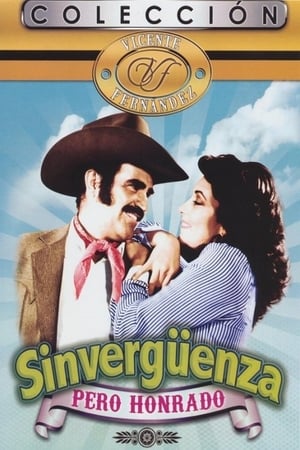
El Sinvergüenza
★7.9

El Sinvergüenza

1983

Watch Now
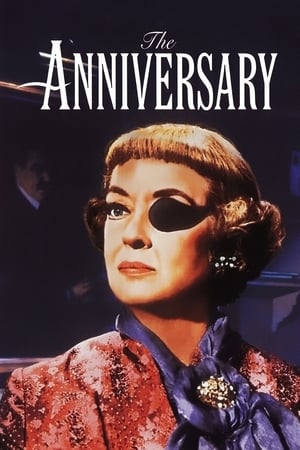
The Anniversary
★6.6

The Anniversary

1968

Watch Now
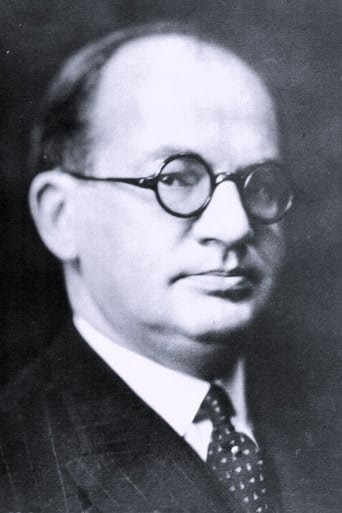
Erich Schönfelder

Erich Schönfelder

Egon Storch

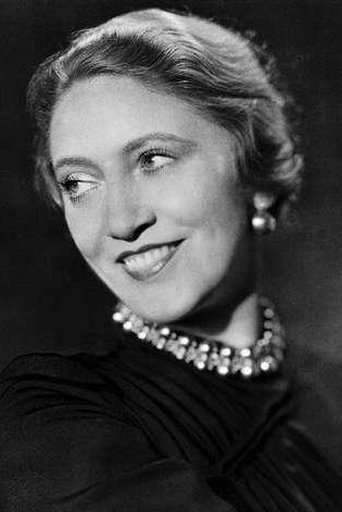
Käthe Dorsch

Käthe Dorsch

No image

Kitty Dewall

Alice von Reizenstein

No image

Agda Nilsson

Mizi - die Magd

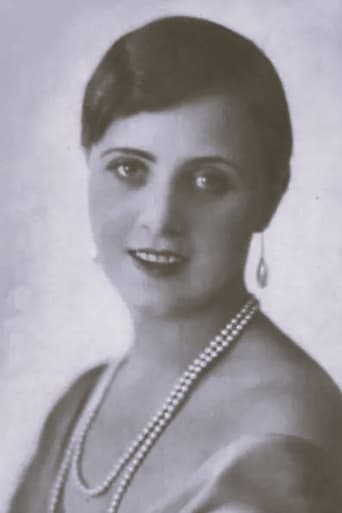
Ossi Oswalda

Ossi Oswalda

Harry Liedtke

Harry Liedtke

Alex von Reizenstein

Emil Jannings

Emil Jannings

Quabbe - der Gaoler

Paul Biensfeldt

Paul Biensfeldt

Erich Schönfelder

Erich Schönfelder

Egon Storch

Käthe Dorsch

Käthe Dorsch

No image

Kitty Dewall

Alice von Reizenstein

No image

Agda Nilsson

Mizi - die Magd

Ossi Oswalda

Ossi Oswalda

G

germish

★ 9.5/101/29/2013

The Merry Jail or Das fidele Gefängnis (1917) is one of the early films of Ernst Lubitsch. A light comedy, based on Strauss's operetta 'Die Fledermaus', about a rich couple and their maid in a gay Berlin of endless parties and ceremonies. It is also one of early films of Emil Jannings in the role of a nutty prison guard. The 25 year old Lubitsch portrays one his first and most original conceptions of marriage and women in a manner that is certainly years ahead of its time. And that's why I get disappointed when I didn't find this film among Kristin Thompson's selected titles to examine Lubitsch's career and his influence on Hollywood in her fantastic book, "Herr Lubitsch Goes to Hollywood". There are numerous scenes with unforgettable technical creativity. For example an excellent shot from the first act (part) of the film which exhibits the thing known as "Lubitsch touch"; The wife receives a warrant from police about her husband and his scandalous behavior in a previous night party and while she is discussing the possible misunderstanding on the phone, the camera goes down and shows the drunkard husband, sleeping on the floor. Don't forget we are in 1917! Lubitsch's storytelling imply one of the most intelligent cameras in history of motion pictures. She is a character and a witty analyzer of relationship between characters and architecture (rooms, stairs and mainly doors), and characters and objects. The camera treats everybody equally. Most evident in the scene when everybody is going to a party (without knowing of other one). Each of these characters has his or her reason - and usually a lecherous one - but Lubitsch use the same mise-en-scene for cheating husband, unfaithful maid, clever wife and old gigolo as you see in shots below. Lubitsch ("the greatest technician in American cinema after Griffith", says Gerald Mast) is using all kinds of new montage tricks - simultaneously with D. W. Griffith, but he use these techniques with such charm that make them almost invisible to the eye of the audience or even an inattentive historian. For traditional historians, influences of German cinema limits to names like Murnau or Lang, but with Lubitsch you can see the real Hollywood; the Hollywood that was making salable fantasy out of the most complicated and occasionally painful passages of human life; exactly the same way Lubitsch was doing back in 1917. -- written by Ehsan Khoshbakht --

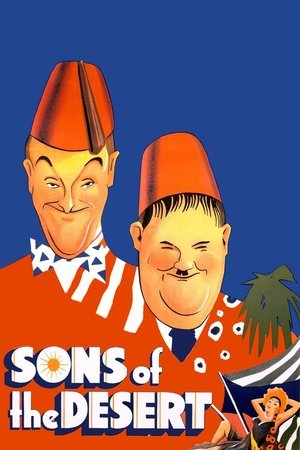
Sons of the Desert
★7.1

Sons of the Desert

1933

Watch Now
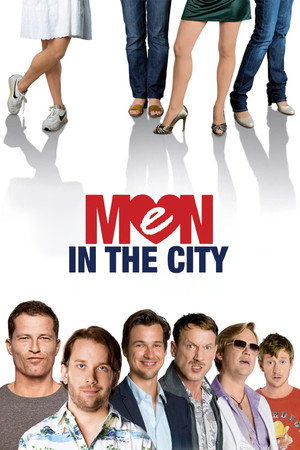
Men in the City
★6.1

Men in the City

2009

Watch Now
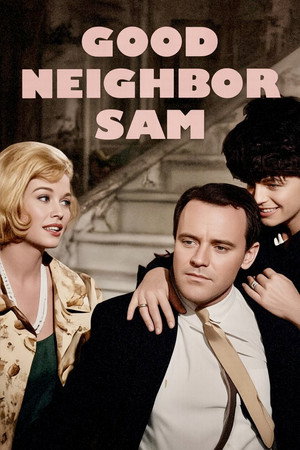
Good Neighbor Sam
★6.6

Good Neighbor Sam

1964

Watch Now
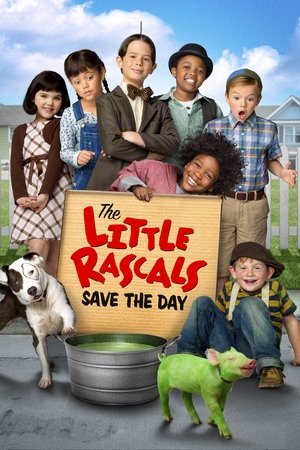
The Little Rascals Save the Day
★6.3

The Little Rascals Save the Day

2014

Watch Now
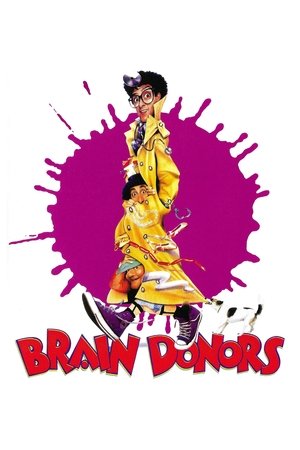
Brain Donors
★6.1

Brain Donors

1992

Watch Now
Babes
★5.9

Babes

2024

Watch Now
American Dreamer
★5.9

American Dreamer

2022

Watch Now
Cold Feet
★6.6

Cold Feet

2018

Watch Now
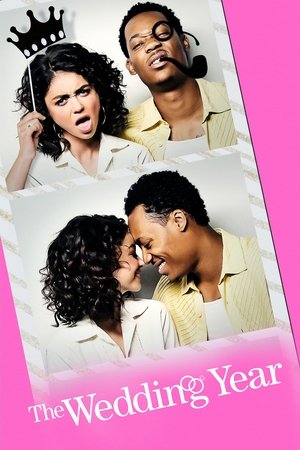
The Wedding Year
★6.0

The Wedding Year

2019

Watch Now
Class Rank
★6.9

Class Rank

2017

Watch Now
El Sinvergüenza
★7.9

El Sinvergüenza

1983

Watch Now
The Anniversary
★6.6

The Anniversary

1968

Watch Now
Sons of the Desert
★7.1

Sons of the Desert

1933

Watch Now
Men in the City
★6.1

Men in the City

2009

Watch Now
Good Neighbor Sam
★6.6

Good Neighbor Sam

1964

Watch Now
The Little Rascals Save the Day
★6.3

The Little Rascals Save the Day

2014

Watch Now
Brain Donors
★6.1

Brain Donors

1992

Watch Now
Babes
★5.9

Babes

2024

Watch Now
American Dreamer
★5.9

American Dreamer

2022

Watch Now
Cold Feet
★6.6

Cold Feet

2018

Watch Now
The Wedding Year
★6.0

The Wedding Year

2019

Watch Now
Class Rank
★6.9

Class Rank

2017

Watch Now